
PCThe Spandrels of San Marco and the Panglossian Paradigm
The spandrels of San Marco and the Panglossian paradigm: a critique of the adaptationist programme The Spandrels of San Marco and the Panglossian Paradigm: A…
PCThe spandrels of San Marco and the Panglossian paradigm: a critique of the adaptationist programme The Spandrels of San Marco and the Panglossian Paradigm: A…
Peu communeSciences et naturen° 320 436
PCThe spandrels of San Marco and the Panglossian paradigm: a critique of the adaptationist programme The Spandrels of San Marco and the Panglossian Paradigm: A…
PCHThe spandrels of San Marco and the Panglossian paradigm: a critique of the adaptationist programme The Spandrels of San Marco and the Panglossian Paradigm: A…
PCRBThe spandrels of San Marco and the Panglossian paradigm: a critique of the adaptationist programme The Spandrels of San Marco and the Panglossian Paradigm: A…
PCFThe spandrels of San Marco and the Panglossian paradigm: a critique of the adaptationist programme The Spandrels of San Marco and the Panglossian Paradigm: A…
PCFHThe spandrels of San Marco and the Panglossian paradigm: a critique of the adaptationist programme The Spandrels of San Marco and the Panglossian Paradigm: A…
PCFRThe spandrels of San Marco and the Panglossian paradigm: a critique of the adaptationist programme The Spandrels of San Marco and the Panglossian Paradigm: A…
The spandrels of San Marco and the Panglossian paradigm: a critique of the adaptationist programme The Spandrels of San Marco and the Panglossian Paradigm: A Critique of the Adaptationist Programme (littéralement Les écoinçons de Saint-Marc et le paradigme panglossien : une critique du programme adaptationniste), également connu sous le nom de publication Spandrels est un article de Stephen Jay Gould et Richard Lewontin, biologistes de l'évolution, publié à l'origine dans la revue scientifique Proceedings of the Royal Society B: Biological Sciences en 1979.
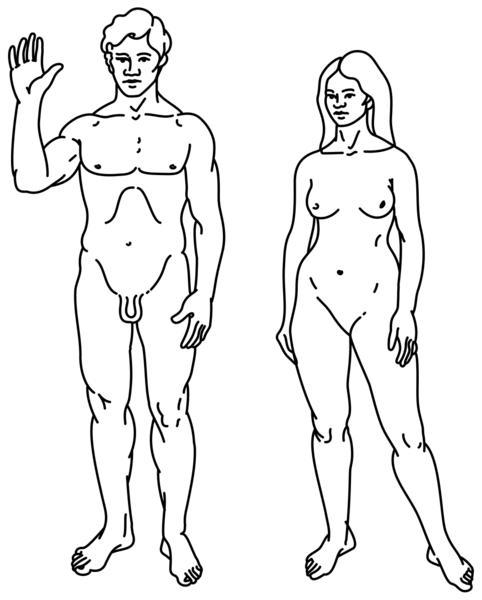
SSRHomo sapiens, plus communément appelé « homme moderne », « homme », « Homme », « humain » ou « être humain », est une espèce de Primates originaire d'Afrique…
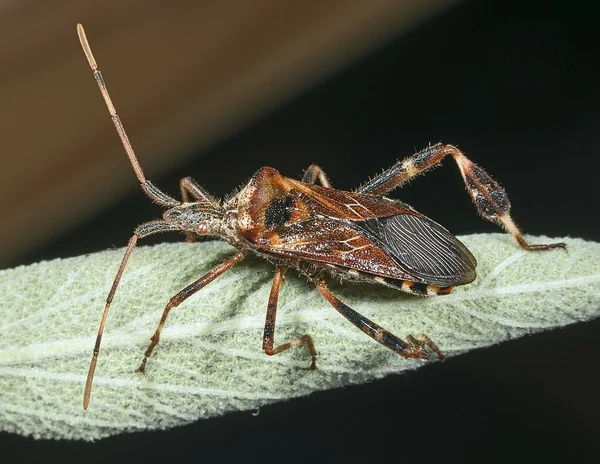
SSRLeptoglossus occidentalis, la Punaise américaine du pin, est une espèce d'insectes de la famille des Coreidae (sous-ordre des hétéroptères (punaises), ordre…
SSRLe Ginkgo, aussi appelé arbre aux quarante écus, arbre aux mille écus, ou encore arbre aux abricots d'argent (Ginkgo biloba L., 1771) (银杏 yínxìng en chinois),…
SSRMicrosoft Outlook (officiellement Microsoft Office Outlook) est un gestionnaire d'informations personnelles et un client de courrier électronique propriétaire…
SSRMistral AI est une entreprise française fondée en avril 2023, spécialisée dans l'intelligence artificielle générative.
SSRTotalEnergies SE, ancienne Compagnie française des pétroles (CFP), puis Total, est une multinationale française de production et de fourniture d’hydrocarbures…
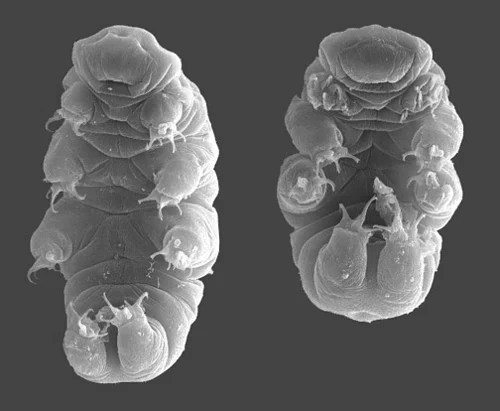
SSRIls ont été décrits en premier par Johann August Ephraim Goeze en 1773.
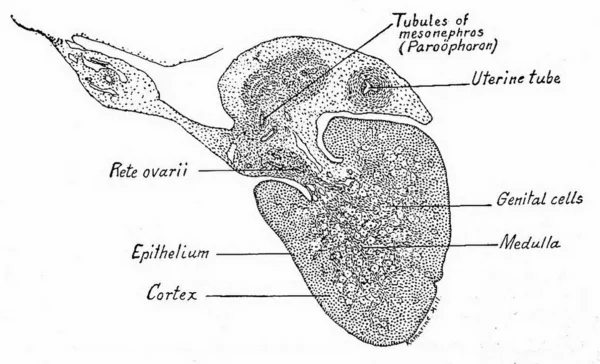
SSRLe rete ovarii (retia ovarii au pluriel) est une structure formée à partir des cordons sexuels primitifs chez les mammifères femelles.
Texte : Wikipédia, « The Spandrels of San Marco and the Panglossian Paradigm », licence CC BY-SA 4.0. Image : Maria Schnitzmeier, CC BY-SA 3.0, via Wikimedia Commons (recadrée). Comment jouer.