 C
Sciences et natureN° 156240
31P/Schwassmann-Wachmann
31P/Schwassmann–Wachmann Schwassmann-Wachmann 2 Établi sur 1 019 observations couvrant 7492 jours (U = 0) 31P/Schwassmann–Wachmann, appelée également…
ATQ4 000DEF2 110
C31P/Schwassmann–Wachmann Schwassmann-Wachmann 2 Établi sur 1 019 observations couvrant 7492 jours (U = 0) 31P/Schwassmann–Wachmann, appelée également…
CommuneSciences et naturen° 156 240
C31P/Schwassmann–Wachmann Schwassmann-Wachmann 2 Établi sur 1 019 observations couvrant 7492 jours (U = 0) 31P/Schwassmann–Wachmann, appelée également…
CH31P/Schwassmann–Wachmann Schwassmann-Wachmann 2 Établi sur 1 019 observations couvrant 7492 jours (U = 0) 31P/Schwassmann–Wachmann, appelée également…
CRB31P/Schwassmann–Wachmann Schwassmann-Wachmann 2 Établi sur 1 019 observations couvrant 7492 jours (U = 0) 31P/Schwassmann–Wachmann, appelée également…
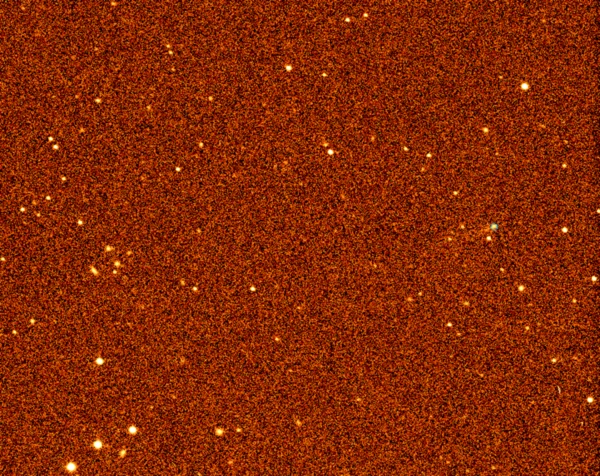
31P/Schwassmann–Wachmann Schwassmann-Wachmann 2 Établi sur 1 019 observations couvrant 7492 jours (U = 0) 31P/Schwassmann–Wachmann, appelée également Schwassmann–Wachmann 2, est une comète périodique du système solaire. Elle fut découverte le 17 janvier 1929, à une magnitude apparente de 11 par Arnold Schwassmann et Arno Arthur Wachmann. La comète a depuis été observée à chaque apparition. Le diamètre du noyau est estimé à 6,2 kilomètres.
 SSR
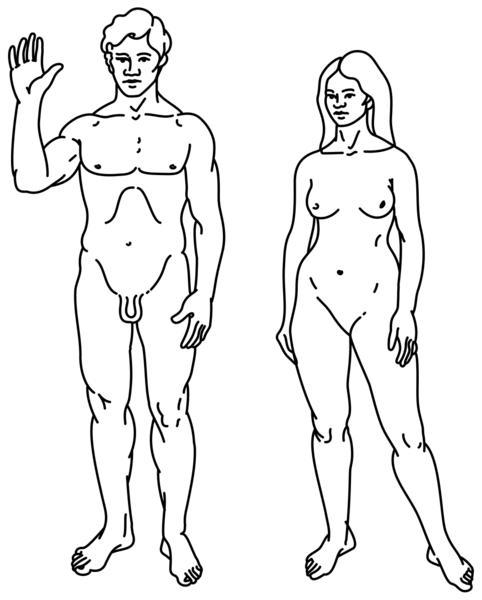
Homo sapiens, plus communément appelé « homme moderne », « homme », « Homme », « humain » ou « être humain », est une espèce de Primates originaire d'Afrique…
 SSR
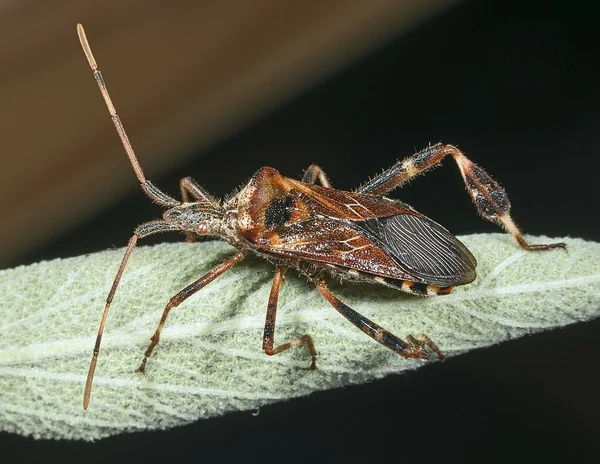
Leptoglossus occidentalis, la Punaise américaine du pin, est une espèce d'insectes de la famille des Coreidae (sous-ordre des hétéroptères (punaises), ordre…
 SSR
Le Ginkgo, aussi appelé arbre aux quarante écus, arbre aux mille écus, ou encore arbre aux abricots d'argent (Ginkgo biloba L., 1771) (银杏 yínxìng en chinois),…
 SSR
Microsoft Outlook (officiellement Microsoft Office Outlook) est un gestionnaire d'informations personnelles et un client de courrier électronique propriétaire…
 SSR
Mistral AI est une entreprise française fondée en avril 2023, spécialisée dans l'intelligence artificielle générative.
 SSR
TotalEnergies SE, ancienne Compagnie française des pétroles (CFP), puis Total, est une multinationale française de production et de fourniture d’hydrocarbures…
 SSR
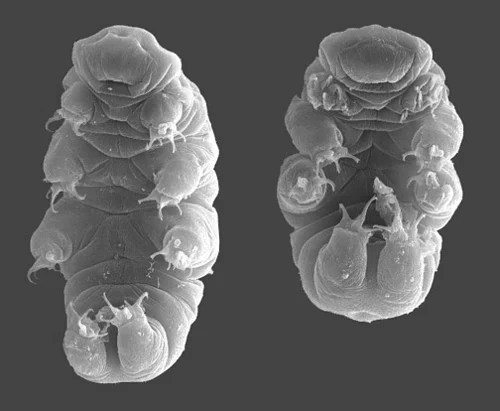
Ils ont été décrits en premier par Johann August Ephraim Goeze en 1773.
 SSR
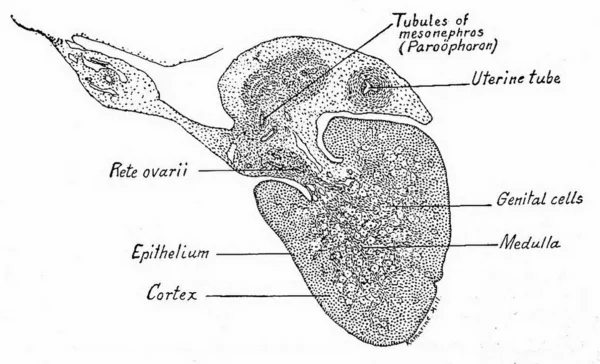
Le rete ovarii (retia ovarii au pluriel) est une structure formée à partir des cordons sexuels primitifs chez les mammifères femelles.
Texte : Wikipédia, « 31P/Schwassmann-Wachmann », licence CC BY-SA 4.0. Image : NASA/JPL-Caltech/PTF, Public domain, via Wikimedia Commons (recadrée). Comment jouer.